KEY TAKEAWAYS
Understanding the difference between a healthy late-life relationship and one involving manipulation or undue influence is essential for families navigating marriage concerns in older loved ones. Marriage capacity is not the same as general cognitive functioning. A person can have mild dementia and still have the capacity to marry, while someone with intact memory can still be vulnerable to coercion. Warning signs that warrant professional evaluation include sudden secrecy around finances, a new partner who discourages family contact, rapid shifts in preferences, fearfulness or dependency, and relationships that began during periods of grief or cognitive vulnerability. Geropsychology assessments provide the structured, evidence-based framework needed to evaluate whether a decision is truly free and informed.
A well-conducted marriage capacity evaluation doesn't just determine whether someone can legally consent to marry. It assesses understanding of marriage's legal and financial implications, ability to reason about the decision, consistency of choice over time, and whether undue influence or coercion may be compromising free will. The goal is always to protect the older adult's autonomy and safety, not to override their wishes.
If you're concerned about a loved one's relationship or upcoming marriage, consulting a geropsychologist in South Bay, CA, like Dr. Reger, can provide the clarity and compassionate guidance your family needs. Understanding marriage capacity helps families protect their loved ones while honoring their right to love and choose freely.

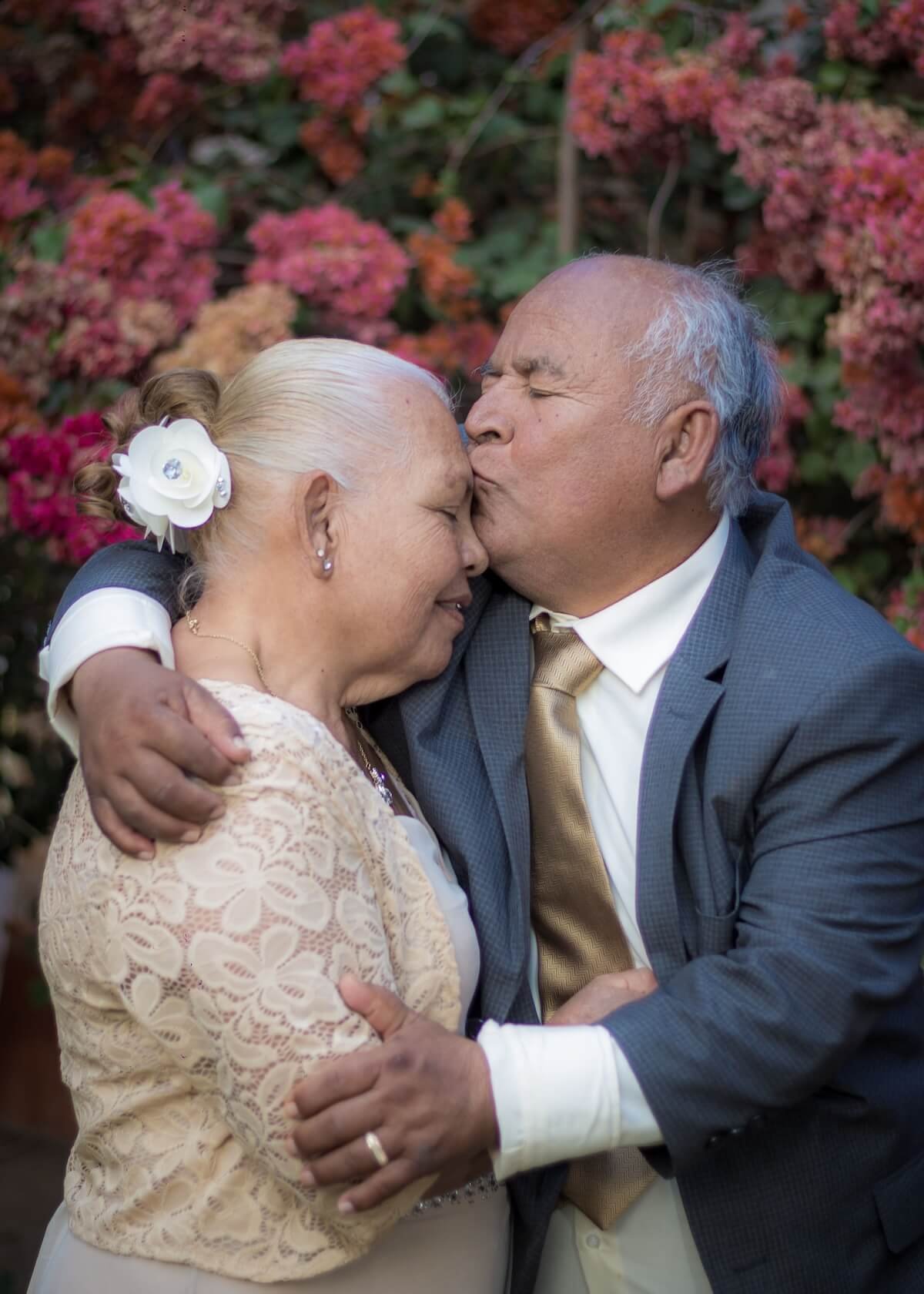
When an older adult suddenly announces plans to marry or remarry, families often feel a mix of surprise, concern, and protectiveness. Most late-life relationships are healthy, mutually supportive, and deeply meaningful. But sometimes, especially when cognitive changes are present, families worry: Is my loved one making this decision freely, or is someone exerting pressure or manipulation?
Geropsychology offers a structured, evidence-based way to answer that question. Marriage capacity is a specific type of decision-making capacity, and it focuses on whether a person can understand, appreciate, and reason about the responsibilities and consequences of entering a marital relationship. It is not about judging the relationship itself, but ensuring the older adult’s autonomy and safety.
What Marriage Capacity Really Means
Marriage capacity is not the same as general cognitive functioning. A person can have mild dementia and still have the capacity to marry, just as someone with intact memory can still be vulnerable to undue influence. Marriage capacity focuses on several key abilities:
Understanding the nature of marriage: the person must grasp what marriage is, including its emotional, legal, and financial implications.
Appreciating how marriage affects their own life: including changes in living arrangements, finances, caregiving, or family dynamics.
Reasoning about the decision: the ability to weigh pros and cons, consider alternatives, and explain why they want to marry this specific person.
Communicating a stable choice: the decision should be consistent, not fluctuating dramatically from day to day.
These abilities are evaluated in the context of the person’s life. The legal standard for capacity to consent to marriage is very simple: the ability to understand the marital contract and freely consent (without force, fraud, or coercion).
Where Manipulation and Undue Influence Come In

Undue influence occurs when someone uses pressure, deception, isolation, or emotional control to override an older adult’s (or other vulnerable adult’s) free will. Geropsychologists look for patterns such as:
A partner who discourages private conversations with family
Sudden secrecy around finances
A rapid, unexpected shift in the older adult’s preferences
Fearfulness, dependency, or statements like “I have to do this, or they’ll leave me”
A relationship that began during a period of cognitive decline, grief, or vulnerability
These signs do not automatically mean manipulation is occurring, but they raise the need for a careful, neutral evaluation.
How a Capacity Assessment by a Geropsychologist Helps
A marriage capacity evaluation is compassionate, structured, and individualized. It typically includes:
A clinical interview exploring the person’s understanding of marriage
Cognitive testing to assess memory, judgment, and reasoning
A review of medical and psychiatric history
A private conversation to ensure the person can speak freely
Collateral interviews with others who know the person well
An analysis of potential undue influence or coercion
The goal of this type of capacity evaluation is to ensure that the older adult’s decision is truly their own.
Why Families Seek These Evaluations
Families often request an assessment when they notice:
A new partner who seems overly involved in finances
A loved one with dementia expressing sudden plans to marry
Conflict among siblings about whether the relationship is healthy
Concerns about estate changes, caregiving promises, or dependency
A formal evaluation provides clarity, reduces family conflict, and protects the older adult’s rights. Sometimes this means a person may have capacity to marry someone against their family’s wishes, or sometimes it means there is a real concern for undue influence, and steps need to be taken to protect the vulnerable adult.
The Bottom Line
Love in later life is often real, meaningful, and beneficial. It is an ageist assumption that older adults cannot find love, or that people age out of interest in romance or partnership. But when cognitive changes or unhealthy interpersonal dynamics raise concerns, a geropsychological marriage-capacity evaluation offers a respectful, evidence-based way to ensure your loved one is safe, autonomous, and truly choosing the path ahead.
CONCERNED ABOUT A LOVED ONE'S LATE-LIFE RELATIONSHIP? GEROPSYCHOLOGY IN SOUTH BAY, CA CAN PROVIDE ANSWERS
Worries about a late-life relationship are among the most emotionally charged concerns families bring to Dr. Stacy Reger. The uncertainty is real, the family dynamics can be complicated, and the stakes, both financially and personally, can be significant. You don't have to keep wondering whether your loved one is making a free, informed choice or whether someone is taking advantage of their vulnerability. As a trusted geropsychologist in South Bay, CA, Dr. Stacy Reger specializes in marriage capacity and undue influence evaluations that replace uncertainty with clarity, giving families the objective, compassionate answers they need to protect their loved one while honoring their autonomy.
Here's what working with Dr. Reger typically looks like:
Start with a conversation: Reach out to share your concerns, describe what you've been observing, and ask your questions. Dr. Reger will help you determine whether a marriage capacity evaluation is the right next step for your situation
Gather relevant information: Medical records, prior cognitive testing, financial documents, and your own observations about the relationship and your loved one's behavior all help paint a complete clinical picture before the evaluation begins
Complete a comprehensive assessment: Dr. Reger conducts a thorough geropsychology evaluation that includes cognitive testing, clinical interviews, private conversations with your loved one, and careful analysis of potential undue influence. It is individualized, compassionate, and never rushed
Walk away with answers: You'll receive a clear, honest report that explains your loved one's capacity to marry, identifies any concerning patterns of manipulation or coercion, and gives your family the clinical foundation needed to protect their rights and well-being
OTHER SERVICES WITH DR. STACY REGER IN LOS ANGELES, CALIFORNIA
When it comes to marriage capacity and undue influence concerns, having a geropsychologist who specializes in both cognitive assessment and elder vulnerability means your family receives the most accurate, compassionate evaluation for the situation at hand. Dr. Stacy Reger has extensive expertise in capacity evaluations across a range of complex decisions, from marriage and financial management to testamentary and medical decision-making, ensuring that whether your concerns involve subtle manipulation, cognitive decline, or questions about free will and autonomy, you can expect a thorough, individualized evaluation that provides the clarity families need to protect their loved ones and move forward with confidence.
Marriage capacity evaluations represent only one dimension of Dr. Reger's extensive practice. She offers psychological testing and neuropsychological assessments for issues ranging from cognitive decline to dementia, as well as capacity evaluations addressing financial and testamentary decision-making. Her med-legal services encompass Independent Medical Evaluations and workers' compensation psychological and neuropsychological evaluations, available through her roles as both a Qualified Medical Evaluator and Agreed Medical Evaluator. Dr. Reger also performs adult neuropsychological evaluations for conditions such as TBI, stroke, ADHD, and dementia, and conducts pre-surgical psychological evaluations for patients preparing for spinal cord stimulator implantation, bariatric surgery, and organ transplants. Rounding out her practice, she is available as an expert witness, public speaker, and consultant, and provides individual psychotherapy and therapeutic support specifically designed for older adults.
Take some time to explore Dr. Reger's blog for deeper insight into marriage capacity, undue influence, elder vulnerability, and how families can protect their loved ones while honoring their autonomy. When you're ready to take the next step, she encourages you to reach out directly.
ABOUT THE AUTHOR
With nearly two decades of experience in geropsychology and neuropsychological assessment, Dr. Stacy Reger, Ph.D., is uniquely positioned to evaluate marriage capacity and undue influence concerns in older adults and help families understand whether a late-life relationship reflects genuine, autonomous choice or a dynamic shaped by manipulation, cognitive vulnerability, or coercion. After completing her Ph.D. in Clinical Psychology from an APA-accredited program at the University of Nevada, Las Vegas, Dr. Reger went on to build and direct a neuropsychological testing clinic at the Long Beach VA Healthcare System, an experience that sharpened her ability to assess the full range of cognitive abilities, including memory, judgment, reasoning, and executive functioning, that determine whether an older adult can truly understand and freely consent to the responsibilities of marriage.
Her advanced training in clinical geropsychology at the San Francisco VA Medical Center further deepened her expertise in evaluating capacity across complex relational and legal contexts, identifying patterns of undue influence and elder vulnerability, and providing families with the clear, compassionate guidance they need to protect their loved ones while respecting their fundamental right to autonomy and self-determination. A licensed clinical psychologist (PSY #27639), Dr. Reger has spent her career working across complex medical, legal, and family settings, giving her the real-world perspective and clinical precision that families, attorneys, and fiduciaries rely on when they need honest, objective, and dignified answers about marriage capacity, elder vulnerability, and the line between love and exploitation.